Rising housing costs and shifting family living patterns drive interest in flexible backyard housing options for students and young adults
NEW ORLEANS, LA, UNITED STATES, February 20, 2026 /EINPresswire.com/ — Backyard Tiny Homes Emerging as Alternative Housing Option for College Students and Recent Graduates
Rising housing costs and shifting family living patterns drive interest in flexible backyard housing options for students and young adults
FOR IMMEDIATE RELEASE
New Orleans, LA — As student housing costs continue to rise in many parts of the country, some families are exploring alternative living arrangements to accommodate college students and young adults during transitional periods, including school breaks, post-graduation planning, and temporary returns home.
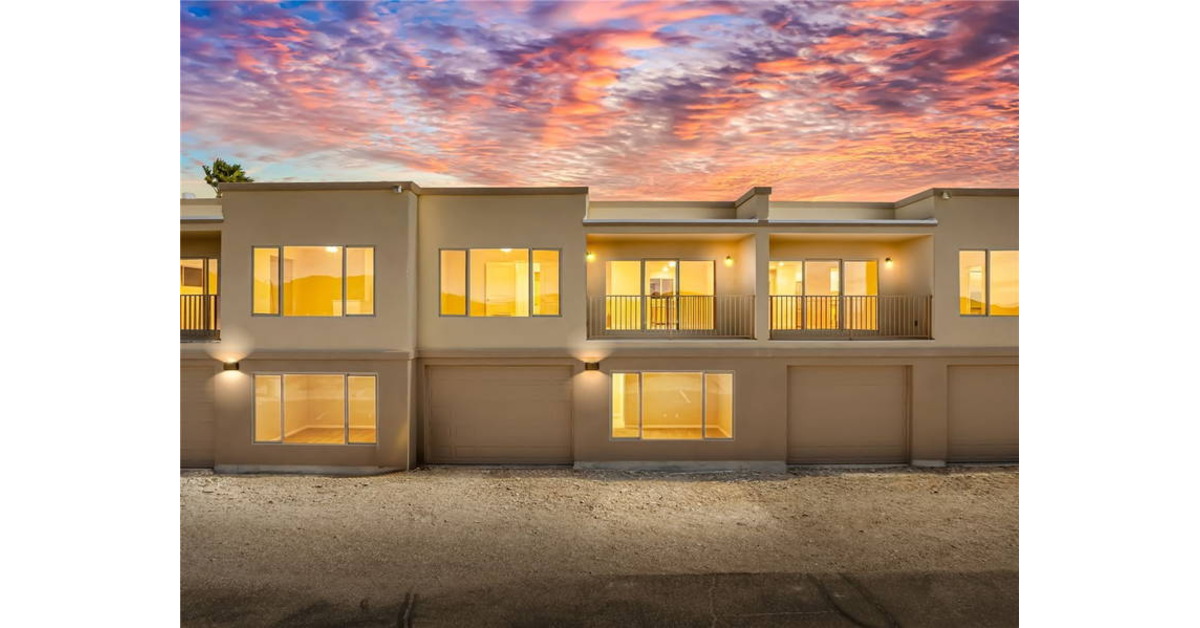
Across the United States, the cost of off-campus apartments and shared housing has steadily increased, placing added financial pressure on students and families. In response, there has been growing interest in secondary living structures that can be placed on existing residential property to provide independent space while maintaining proximity to family support.
These small, separate dwellings are being considered by some households as a flexible option for students who live at home during the school year, return during summer and holiday breaks, or move back temporarily following graduation while beginning careers or continuing their education.
For many families, one of the primary challenges is the adjustment that occurs when young adults return to a home environment after spending extended time living independently in dormitories, apartments, or shared housing. Separate living space can help support a smoother transition by allowing both the student and the household to maintain routines and privacy.
Situations such as semester breaks, summer visits, and post-graduation transitions often require temporary housing solutions that provide comfort, independence, and stability. Secondary backyard structures can offer a private environment for studying, resting, and maintaining personal schedules while remaining close to family.
In addition to supporting college students, these types of housing arrangements may also be used by recent graduates who are in the early stages of employment or relocation planning. Transitional living periods are increasingly common as young adults take time to establish financial stability and career direction before committing to long-term housing.
As multigenerational living patterns continue to evolve, families are exploring ways to balance closeness with independence. Separate, small-scale housing options are being viewed by some as a practical way to accommodate changing household dynamics while supporting young adults through educational and early career milestones.
Gary Bourgeois
Factory Direct Tiny Homes, LLC
factorydirecttinyhomes@gmail.com
Legal Disclaimer:
EIN Presswire provides this news content “as is” without warranty of any kind. We do not accept any responsibility or liability
for the accuracy, content, images, videos, licenses, completeness, legality, or reliability of the information contained in this
article. If you have any complaints or copyright issues related to this article, kindly contact the author above.